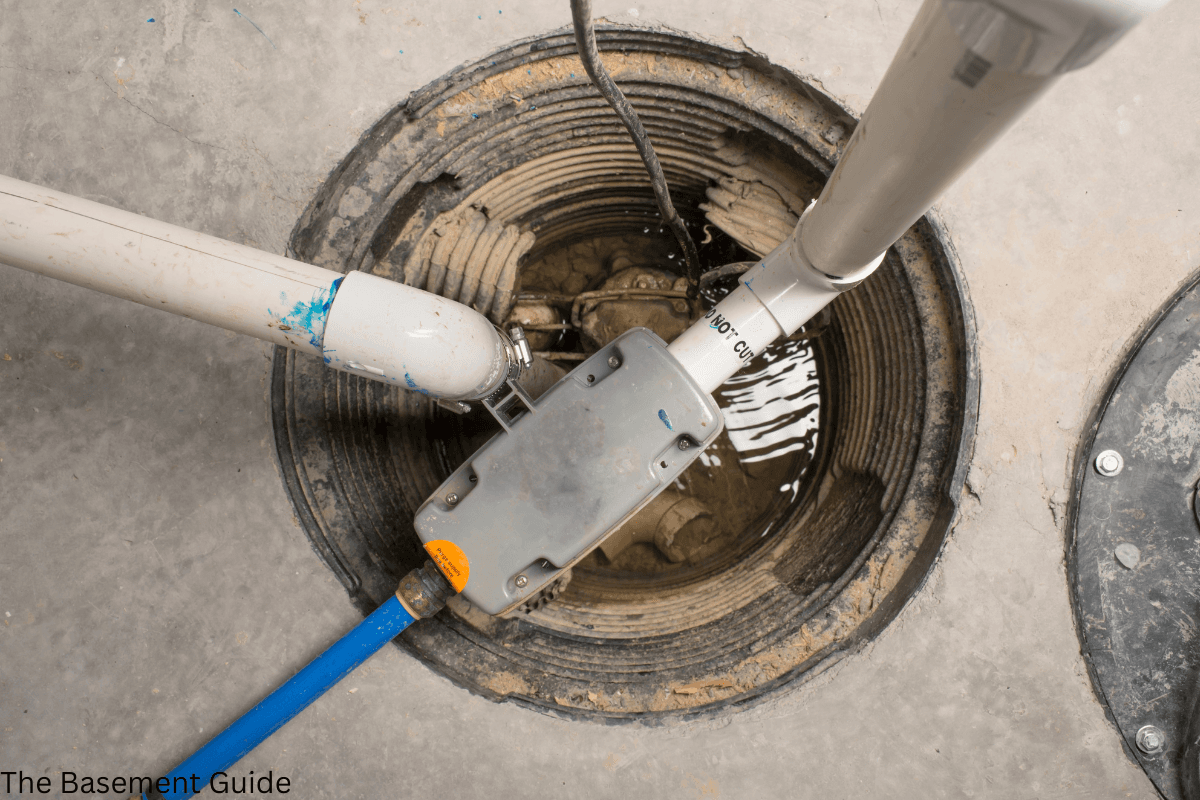
Why Your Basement Floods
With a Sump Pump
(And How to Fix It)
A sump pump doesn’t guarantee a dry basement. Here are the 10 most common reasons it still floods—and how to fix each one.
The Basement Guide Staff
Updated March 2026 · 18 min read
A sump pump is a single component in a basement water management system, not a complete waterproofing solution on its own. When a basement floods despite a functioning sump pump, the cause is almost always one of three things: the pump cannot move water fast enough to match inflow volume, the pump has failed or lost capacity due to age or mechanical problems, or water is entering the basement through a path that never reaches the sump pit at all. Understanding which of these three scenarios applies to your situation determines whether the fix is a pump upgrade, a pump replacement, or a waterproofing solution that has nothing to do with the pump itself. This guide walks through all ten common failure points in order from the most likely and easiest to check to the most complex.
Your sump pump is most likely to fail at the exact moment you need it most—during a heavy storm. A sump pump is one part of a water management system, and if any other part fails, or if the pump itself has a problem you don’t know about, you can still wake up to standing water.
This guide covers the 10 most common reasons basements flood despite having a sump pump, how to diagnose each one, and what to do about it. We’ve organized them from “check this first” (free, takes 5 minutes) to “call a pro” (requires professional diagnosis).
Why Is My Basement Flooding Even Though the Sump Pump Is Running?
If you can hear the pump running but water is still rising, the pump isn’t the whole problem. There are two possible scenarios, and the fix for each is completely different.
Scenario 1: The pump can’t keep up
Water is entering faster than the pump can evacuate it. This usually happens during extreme rain or rapid snowmelt. The pump may be undersized, the discharge line may be partially obstructed, or the volume of water is simply more than any single pump can handle.
Scenario 2: Water bypasses the pump
A sump pump only removes water that reaches the pit. If water is seeping through wall cracks, coming up through floor joints, or entering from the opposite side of the basement, the pump may be working perfectly—the water just never reaches it. This is a waterproofing problem, not a pump problem.
The 10 Most Common Causes & What to Do
Power Outage Killed the Pump
This is the number one reason basements flood with a sump pump installed. The heavy storm that sends water toward your foundation is the same storm that knocks out power. Your pump sits idle at the exact moment it’s needed most.
How to check:
Look at your circuit breaker. Is the pump plugged in? Is the GFCI outlet tripped? After the storm, test by pouring water into the pit.
The fix:
Install a battery backup sump pump or a backup generator/power station. This is non-negotiable if you live anywhere that loses power during storms. A battery backup costs $600–$2,000 installed and activates automatically. According to FEMA, even one inch of flood water can cause $25,000 in damage.
The Pump Is Undersized for Your Water Table
A standard 1/3 HP pump handles moderate water intrusion just fine. But if your home sits on a high water table, or if your area gets heavy seasonal rain or rapid spring snowmelt, that pump may not have the gallons-per-hour capacity to keep up.
How to check:
During heavy rain, watch the pit. If the pump runs continuously without ever cycling off, and the water level stays high or keeps rising, the pump is overwhelmed.
The fix:
Upgrade to a 1/2 HP or 3/4 HP submersible pump. In severe cases, install a secondary pump in the same pit—one handles normal loads, the second kicks in for heavy events. Our sump pump buying guide covers sizing in detail.
Clogged or Frozen Discharge Line
The pump pulls water out of the pit and pushes it through a discharge pipe that exits the house. If that pipe is clogged with debris, frozen in winter, or has collapsed underground, water has nowhere to go. The pump runs, the pipe backs up, and water overflows the pit.
How to check:
Go outside and look at the discharge point. Is water actually coming out when the pump runs? In winter, check for ice buildup around the exit point. Listen for the pump cycling on and off rapidly (short-cycling), which often indicates a backed-up discharge.
The fix:
Clear the clog—a plumber’s snake works for debris. For freezing, insulate the discharge line and make sure it slopes downward with no low spots where water can pool and freeze. Some homeowners install a freeze guard (a grated relief fitting near the foundation) that gives water an alternate exit if the main line freezes.
Stuck or Misadjusted Float Switch
The float switch tells the pump when to turn on. If the float is stuck against the side of the pit, tangled on the power cord, or set too high, the pump won’t activate until water is already overflowing onto your floor.
How to check:
Open the pit cover and manually lift the float. The pump should turn on immediately. If it doesn’t, the switch may be stuck or broken. Also check that the power cord isn’t interfering with the float’s range of motion—this is one of the most common installation mistakes.
The fix:
Reposition the float so it activates before water reaches floor level. If the switch is broken, replacing it costs $35–$70 in parts. If you have a tethered float switch (the kind that hangs on a cord), consider upgrading to a vertical float or electronic switch that’s less prone to getting tangled.
Water Entering Through Foundation Wall Cracks
Here’s the important thing most people miss: a sump pump only handles water that reaches the pit through the drainage system under your floor. If water is pushing through cracks in your foundation walls, the cove joint where the wall meets the floor, or through porous block walls, it enters the basement above the drainage system, and the pump never sees it.
How to check:
Look at where the water is entering. If it’s coming through visible wall cracks, seeping at the wall-floor joint, or entering from areas far from the pit, the pump isn’t the issue.
The fix:
This requires waterproofing—either interior or exterior. Small cracks can be injected with epoxy or polyurethane ($300–$800 per crack). Seepage along the wall-floor joint usually requires an interior French drain system that intercepts the water and channels it to the sump pit. Significant wall cracks or bowing may indicate a structural issue that needs professional evaluation.
No French Drain or Inadequate Drainage System
A sump pump without a drainage system is like a bucket without a funnel. The pit only collects water that happens to flow to it naturally. In many basements—especially older homes—there’s no perimeter drain tile directing groundwater to the pit.
How to check:
If your home was built before the 1970s, there may be no sub-floor drainage system at all. Even in newer homes, the original drain tile may be crushed, disconnected, or clogged with sediment and iron ochre after decades of use.
The fix:
Install an interior French drain system around the perimeter of your basement that channels water to the sump pit. This is the most common professional waterproofing solution, running $4,000–$12,000 depending on basement size. It’s a significant investment, but it’s often the actual fix when people blame the pump for a drainage problem.
The Pump Is Old and Losing Capacity
Sump pumps don’t fail gracefully. They gradually lose pumping capacity as the impeller wears, the motor weakens, and seals degrade. A 9-year-old pump might still turn on and sound normal but only move half the water it did when new.
How to check:
Pour 5 gallons of water into the pit. A healthy pump should evacuate it in seconds and shut off. If it takes a long time, struggles, or makes grinding/rattling noises, it’s losing capacity. Average lifespan is 7–10 years for a submersible, up to 25 years for a pedestal.
The fix:
Replace it. A sump pump replacement runs $400–$700 with labor. Don’t wait for a complete failure during a storm—if your pump is past 7 years, proactively replacing it is one of the cheapest insurance policies for your basement.
Discharge Line Dumps Water Too Close to the Foundation
This one is surprisingly common and easy to miss. The pump works, the water exits the house… and then flows right back toward the foundation. If the discharge line terminates too close to the house, or if the yard slopes back toward the foundation, you’ve created a loop where the pump fights the same water over and over.
How to check:
Go outside while the pump is running. Where does the water exit? It should discharge at least 10 feet from the foundation, ideally into a downhill area, storm drain, or dry well. If it’s dumping 3 feet from the house into flat or inward-sloping ground, that’s your problem.
The fix:
Extend the discharge line with buried PVC or a flexible hose extension. Make sure the exit point is downhill from the house or connects to a proper drainage system. Also check that your gutters and downspouts aren’t contributing to the same issue—improper grading and gutter management cause more basement water problems than most people realize.
Sewer Backup Is Overwhelming the System
In some homes, the sump pump is connected to or near the sanitary sewer line. During heavy rain, municipal sewer systems can back up, sending sewage and stormwater back through the connection and into your basement. This isn’t a pump failure—it’s a completely different water source.
How to check:
If the water smells bad, is discolored, or comes up through floor drains or toilets rather than through the sump pit, you’re dealing with sewer backup.
The fix:
Install a backwater valve on your sewer line ($200–$600 professionally installed). This prevents sewage from flowing back into your home. Also make sure your sump pump’s discharge is not tied into the sanitary sewer—in many municipalities, this is actually illegal because it overwhelms the treatment system during storms.
Multiple Small Problems Compounding
Here’s what actually happens in most real-world basement floods: it’s not one catastrophic failure. It’s three minor issues that individually would be fine but together overwhelm the system. The pump is 8 years old running at 70% capacity, the discharge line has a partial blockage, and the gutters are dumping water right at the foundation.
The fix:
This is why annual maintenance matters. Fifteen minutes of seasonal maintenance prevents most floods: pump testing, discharge line inspection, gutter cleaning, grading check, and backup system verification.
What to Do Right Now if Your Basement Is Flooding
Stay safe. If there’s standing water and any possibility of electrical contact—submerged outlets, appliances in the water—do not enter the water. Shut off the breaker for the basement from your panel upstairs.
Check the obvious. Is the pump plugged in? Is the GFCI outlet tripped (push the reset button)? Is the circuit breaker flipped? A surprising number of basement floods are caused by something bumping the plug loose or a tripped outlet.
If the pump runs but can’t keep up: A submersible utility pump (available at any hardware store) can help evacuate water while you figure out the root cause. A wet/dry shop vacuum handles smaller amounts.
Get water out fast. The longer water sits, the worse the damage. Every hour of standing water increases mold remediation costs and structural risk. Run fans and dehumidifiers continuously once water is removed.
Document everything before you clean up. Photograph the water level, the pump, the discharge point, and any damage. Note: standard homeowners insurance typically does not cover sump pump failure or groundwater flooding—you usually need a specific water backup endorsement.
How to Prevent Future Flooding
Install a battery backup
This is the single most impactful upgrade. A backup pump kicks in automatically during power outages or if the primary pump fails. $600–$2,000 installed. See our backup power guide.
Add a water alarm
A simple leak detector placed near the pit sends an alert to your phone if water rises above normal levels. The YoLink Water Leak Sensor 4 is a solid pick—it works over LoRa (not just Wi-Fi), so it still sends alerts even if your router goes down during a storm. Costs around $20 and gives you advance warning before a minor issue becomes a flood.
Test your pump seasonally
Pour a bucket of water into the pit and confirm the pump activates and the discharge flows freely. Check the backup battery charge level. Inspect the discharge exit point outside. This takes 10 minutes and should happen at minimum every spring and fall.
Maintain your gutters and grading
More basement water comes from the surface than from the water table. Clean gutters, extended downspouts (10+ feet from the foundation), and proper yard grading that slopes away from the house prevent water from reaching the foundation in the first place.
Replace the pump proactively
If your pump is past 7 years, don’t wait for it to fail during the worst possible storm. A planned replacement during dry weather costs $400–$700. An emergency replacement during a flood costs more—and the water damage costs much more than that.
If your sump pump is failing through age, undersized capacity, or repeated component failure, replacement is usually the right call. Use our sump pump replacement cost guide to estimate the project before requesting plumber quotes.
Frequently Asked Questions
Can a sump pump handle heavy rain?
A properly sized pump with adequate drainage feeding the pit can handle most rain events. Standard 1/3 HP submersible pumps are rated for moderate water tables and typical storm inflow. Problems occur during extreme events — multiple inches of rain per hour — or when the drainage system feeding the pit is inadequate for the volume of water arriving at the foundation. If your pump handles normal rain without issue but floods during heavy storms, you likely need a larger pump, a secondary pump in the same pit, or an improved interior drainage system that channels water to the pit more efficiently. An undersized pump running continuously without ever cycling off during a storm is the clearest sign you need more capacity.
How do I know if my sump pump is working?
Pour a bucket of water into the pit. The float should rise and the pump should activate within a few seconds, evacuating the water quickly. If it doesn’t turn on, turns on but doesn’t pump, or makes unusual noises, it needs attention. Make this test part of your seasonal routine.
Should I have two sump pumps?
If you have a high water table, a large basement, or frequent heavy rain, a dual-pump system provides critical redundancy. The secondary pump can share the pit with the primary and activates if the first pump fails or can’t keep up. Many waterproofing contractors recommend this as standard practice for high-risk homes.
Why does my sump pump run constantly?
A pump that never shuts off typically indicates one of four things: a high water table that is continuously pushing water into the pit, an undersized pump that cannot evacuate water as fast as it arrives, a stuck or misadjusted float switch that does not release when the water level drops, or a discharge line that is routing water back toward the foundation where it re-enters the drainage system. Constant running significantly shortens pump life by overheating the motor. Diagnose the root cause before simply replacing the pump — a new pump installed into the same conditions will burn out on the same timeline as the old one.
Does homeowners insurance cover sump pump flooding?
Standard policies usually do not cover flooding caused by sump pump failure or groundwater intrusion. Most insurers offer a water backup and sump pump overflow rider for $40–$100/year. If you have a sump pump, this endorsement is worth adding. Check your policy or ask your agent.
My basement only floods in one specific area far from the sump pump. Why?
This means water is entering through a localized source—a wall crack, a floor-wall joint, a window well, or poor drainage on that side of the house—that isn’t connected to the drainage system feeding the pit. You likely need either targeted waterproofing (crack injection, window well drain) or an extension of the interior French drain to that area.
How often should I test my sump pump?
Test your sump pump at minimum twice a year — once in early spring before the wet season and once in fall before freeze risk. Testing takes about two minutes: pour a five-gallon bucket of water directly into the pit and confirm the float rises, the pump activates within a few seconds, the water evacuates quickly, and the pump shuts off cleanly once the pit is empty. Also go outside and verify water is actually discharging from the exit point during the test. If you have a battery backup unit, check the battery charge indicator at the same time. Annual maintenance should also include clearing any debris from the pit, checking that the float moves freely without obstruction from the power cord, and inspecting the discharge line exit point for blockages or ice damage.
Related Guides
Best Backup Power for Sump Pumps
Generators, power stations, and battery backups compared.
French Drain Cost Guide
Complete pricing for interior and exterior French drain installations.
Sump Pump Installation Cost
Full cost breakdown for sump pump installation in 2026.
Complete Waterproofing Guide
The full playbook for keeping your basement dry.
Best Sump Pumps 2026
Top-rated submersible and pedestal sump pumps reviewed.
Best Water Leak Detectors
Smart leak sensors that alert you before disaster strikes.
Glossary of Sump Pump and Basement Flooding Terms
Sump Pump
An electric pump installed in a pit at the lowest point of the basement that activates when water reaches a set level and ejects it outside through a discharge line. Available in submersible and pedestal configurations. A sump pump removes water that reaches the pit — it does not prevent water from entering the basement through walls or floor joints above the drainage system.
Sump Pit
The excavated basin in the basement floor that collects water from the perimeter drainage system or natural seepage and holds it until the pump activates. Also called a sump basin. Pit size affects how quickly the pump must cycle — an undersized pit causes short-cycling that wears out the motor prematurely.
Float Switch
The trigger mechanism that activates the sump pump when water in the pit rises to a set level. Tethered float switches hang on a cord and can become tangled; vertical float switches and electronic switches are less prone to mechanical failure. A stuck or misadjusted float switch is one of the most common causes of pump failure during a flood event.
Battery Backup Sump Pump
A secondary pump powered by a 12-volt battery that activates automatically when the primary pump loses power or fails. Essential protection for storm events when power outages and peak water inflow occur simultaneously. See our battery vs water-powered backup guide for a full comparison of backup options.
Discharge Line
The pipe that carries water from the sump pump to a discharge point outside the home. Must terminate at least 10 feet from the foundation and slope continuously downward to prevent freezing and backflow. A clogged, frozen, or improperly routed discharge line is a common cause of flooding even when the pump itself is functioning correctly.
French Drain
A passive perimeter drainage system — a gravel-filled trench with a perforated pipe — that intercepts groundwater and channels it to the sump pit. A sump pump without a French drain or interior drainage system can only remove water that reaches the pit by gravity; water entering through wall cracks or floor joints above the drainage plane never reaches the pump. See our French drain vs sump pump guide for a full explanation of how the two systems work together.
Hydrostatic Pressure
The force exerted by water-saturated soil against the foundation walls and floor slab. As groundwater accumulates with no drainage path, pressure builds until water forces its way through cracks, joints, and porous masonry. A sump pump relieves hydrostatic pressure only indirectly by lowering the water table around the pit — a perimeter French drain is the more direct solution.
Backwater Valve
A one-way valve installed on the sewer line that prevents sewage and stormwater from flowing back into the home during municipal sewer system overloads. Required when a basement floods with discolored or foul-smelling water coming up through floor drains or toilets rather than through the sump pit. Costs $200 to $600 professionally installed.
Short-Cycling
A condition where the sump pump turns on and off rapidly in quick succession rather than running for a sustained period. Usually caused by an undersized sump pit, a discharge line backing water up into the pit, or a float switch set too close to the pump shutoff level. Short-cycling overheats the motor and significantly shortens pump lifespan.
GFCI Outlet
A Ground Fault Circuit Interrupter outlet that shuts off power when it detects a current imbalance, protecting against electrical shock in wet environments. Sump pumps are typically plugged into GFCI outlets. A tripped GFCI is one of the first things to check when a pump fails to activate — push the reset button on the outlet before assuming the pump has failed.
Get a Free Waterproofing Assessment
Not sure what’s causing your flooding? Connect with a vetted local waterproofing expert for a free diagnosis and quote.