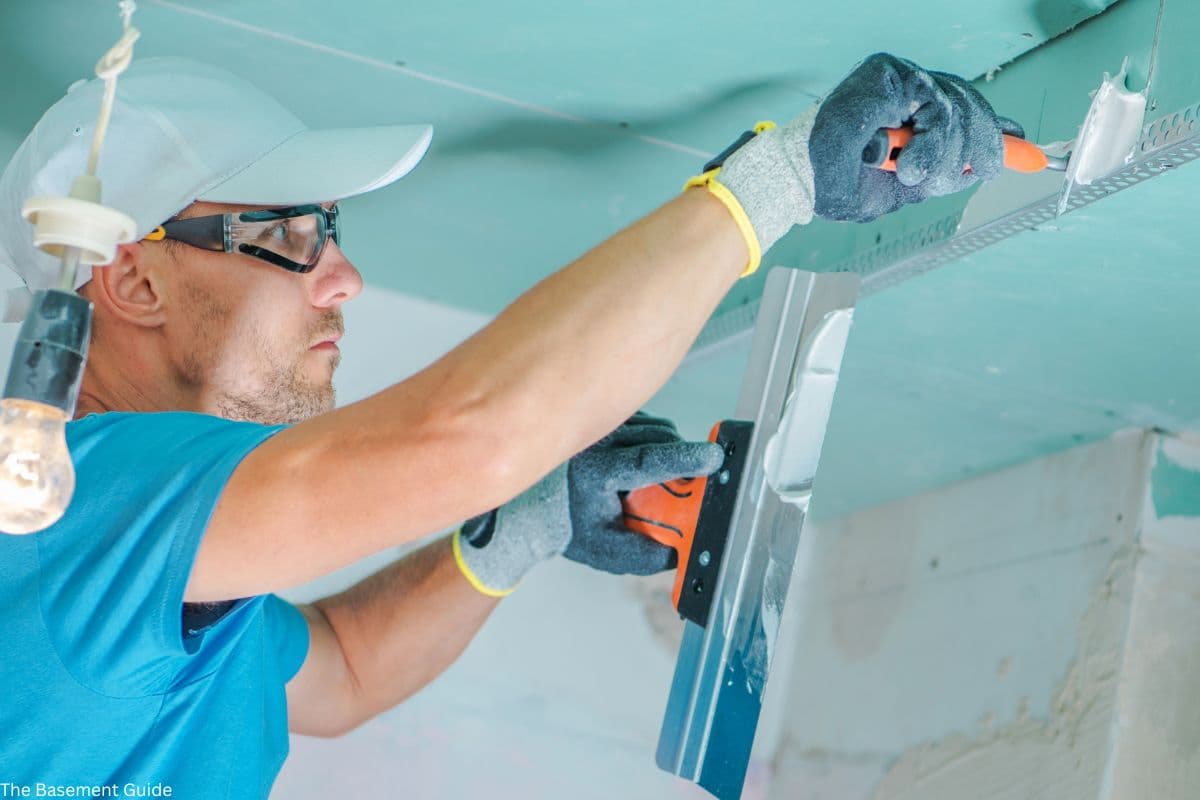
Waterproof basement paint and concrete sealers are products applied to basement walls and floors to reduce or eliminate water vapor transmission, minor seepage, and surface dampness through the concrete or masonry. They fall into three distinct categories — surface coatings that form a barrier on top of the concrete, penetrating sealers that react chemically inside the concrete pores, and flexible membranes that stretch with the wall to bridge small cracks — each with different pressure resistance, longevity, and appropriate use cases. No paint or sealer is a substitute for drainage or exterior waterproofing when hydrostatic pressure is the source of the problem: coatings applied over active water pressure will eventually fail as the pressure finds a way through or around the treated surface. The right product depends on whether you are dealing with vapor dampness, minor seepage, moderate wall pressure, or cracking — and choosing the wrong category for your conditions is the most common reason homeowners are disappointed with results.
If you are staring at damp basement walls and wondering what paint or sealer will actually keep the water out, you are not alone. Thousands of homeowners search for the right waterproof basement paint or sealer every month, and the top comparisons are always Drylok vs RadonSeal, with KILZ, Liquid Rubber, Thoroseal, and Sani-Tred right behind them.
This guide from The Basement Guide gives you a clear, up-to-date breakdown based on real 2026 performance data, manufacturer specs, contractor feedback, and homeowner results. We compare how each product works, what it costs, how long it lasts, and exactly when to choose one over the others.
Quick note
No single product is perfect for every basement. The best choice depends on your wall type, how much water pressure you have, and whether you want a painted look or an invisible seal. Always fix major leaks from the outside first if possible.
How Basement Waterproofing Paints and Sealers Work
There are three main types:
- Surface coatings (Drylok, KILZ) — Thick paint-like layers that form a barrier on top of the concrete. Good for minor seepage and a finished look.
- Penetrating sealers (RadonSeal) — Soak deep into the pores and react chemically to block water from inside the concrete. Invisible and long-lasting.
- Flexible membranes (Liquid Rubber, Sani-Tred, Thoroseal) — Rubber-like or cementitious layers that stretch with the wall and bridge small cracks.
Most products in the $30-80 per gallon range fall into one of these categories. For a more permanent penetrating solution, see our crystalline waterproofing guide.
Side-by-Side Comparison (2026 Data)
| Product | Type | Pressure Resistance | Coverage/Gal | Price/Gal | Finish | Best For | Lifespan |
|---|---|---|---|---|---|---|---|
| Drylok Extreme | Latex surface coating | Up to 15 psi | 75–100 sq ft | $45–60 | Textured painted look | Minor to moderate seepage, cosmetic finish | 10–15 years |
| RadonSeal Standard/Plus | Penetrating silicate | Internal pore sealing | 200–300 sq ft | $60–80 | Invisible (clear) | Dampness, radon, long-term sealing | 10+ years (often permanent) |
| KILZ Basement & Masonry | Latex surface coating | Up to 12 psi | 75-100 sq ft | $35-50 | Smooth painted look | Budget projects, easy DIY | 8-12 years |
| Liquid Rubber Foundation Sealant | Flexible rubber membrane | Excellent (elastic) | 50-60 sq ft | $70-85 | Thick rubbery (black/white) | Cracks, movement, severe leaks | 20+ years |
| MasterSeal 583 (Thoroseal) | Cementitious coating | Up to 200 psi (claimed) | 50-80 sq ft | $40-70 per mixed unit | Thick textured (gray/white) | High pressure, block walls | 15-25 years |
| Sani-Tred Permaflex | Flexible liquid rubber | Excellent (elastic) | 50-60 sq ft | $70-90 | Thick rubbery | Premium flexibility, extreme conditions | 20+ years |
Data compiled from manufacturer specs, 2025-2026 contractor reviews, and independent tests as of February 2026.
Which One Should You Choose?
Here is the simple decision guide our readers use most often:
Light seepage, want a painted basement look: Drylok Extreme or KILZ
Damp walls or radon concerns, invisible fix: RadonSeal
Cracks or movement: Liquid Rubber or Sani-Tred Permaflex
High water pressure on block walls: MasterSeal 583
Tight budget: KILZ
Recommended Waterproof Basement Paint & Sealers
These are the exact products our readers buy most often for basement projects in 2026. All are available on Amazon or direct from the maker.
Drylok Extreme Masonry Waterproofer
Thick latex formula that stops water under pressure and leaves a clean painted finish. Perfect when you want a bright, finished look on poured concrete or block walls.
View on Amazon →RadonSeal Standard Deep-Penetrating Concrete Sealer
Invisible penetrating sealer that soaks deep into the concrete and also helps reduce radon. The 5-gallon size is the best value for most basements.
View on Amazon →KILZ Basement & Masonry Waterproofer
Affordable, easy-to-apply option with solid performance. Great choice when you are on a tight budget and still want a smooth painted surface.
View on Amazon →Liquid Rubber Foundation & Basement Sealant
Flexible rubber membrane that stretches with the wall and bridges small cracks. Ideal for areas with movement or moderate cracking.
View on Amazon →MasterSeal 583 (formerly Super Thoroseal)
Heavy-duty cementitious coating for high-pressure situations. Contractors love it on block walls and where water pressure is strong.
View on Amazon →Sani-Tred Permaflex Liquid Rubber
Premium flexible coating with outstanding long-term durability. The top pick when you need maximum elasticity and the longest lifespan.
View on Amazon →How to Apply Waterproof Basement Paint or Sealer
- Fix exterior grading and gutters first.
- Clean walls with a wire brush or pressure washer and let dry completely.
- Etch or use a concrete cleaner if needed for adhesion.
- Apply two full coats or as directed.
- Let it cure fully before finishing the basement.
Most of these products work on interior walls only. For the outside of the foundation, hire a pro for excavation and membrane work.
Final Thoughts
A good waterproof basement paint or sealer can make a huge difference when paired with proper drainage and grading. For a complete overview of all approaches, see our complete basement waterproofing guide. Drylok and KILZ are the go-to surface coatings for most DIY jobs, RadonSeal shines for deep protection, and the flexible rubber options Liquid Rubber and Sani-Tred are worth the extra cost when movement or cracks are involved. Thoroseal remains the tough choice for serious pressure.
If you are still not sure which product fits your basement best or you want help choosing the right amount for your square footage, many readers at The Basement Guide find it helpful to share a few quick details about their walls and moisture issues. Our team can send a short customized recommendation and connect you with local pros if needed. No pressure, just practical next steps.
Frequently Asked Questions
Is Drylok or RadonSeal better for a basement?
They solve different problems and are not direct substitutes. Drylok is a surface coating that forms a physical barrier on the wall face, handles up to 15 PSI of water pressure, and leaves a painted finish — the right choice when you want a visible improvement and are dealing with minor to moderate seepage on poured concrete or block walls. RadonSeal is a penetrating silicate sealer that soaks into the concrete matrix and reacts chemically to seal pores from within — invisible after application, effective for vapor dampness and radon reduction, and considered permanent in most conditions. Many contractors apply RadonSeal first to seal the pores, then Drylok over it for a finished appearance and added pressure resistance. See our Drylok vs RadonSeal comparison for a full head-to-head breakdown.
Can waterproof basement paint stop active leaks?
Not reliably, and not against significant hydrostatic pressure. Surface coatings like Drylok and KILZ are rated for specific PSI limits — Drylok Extreme up to 15 PSI, KILZ up to 12 PSI — but active leaks through cracks or the cove joint often exceed those limits, particularly during heavy rain or snowmelt. Flexible membranes like Liquid Rubber and Sani-Tred handle cracking and movement better than rigid coatings but still require the wall surface to be structurally sound and the leak source to be manageable. For active leaks driven by hydrostatic pressure, the correct solution is a drainage system that relieves the pressure before it reaches the wall — paint applied over active pressure is a temporary fix at best. See our complete waterproofing guide for drainage solutions.
Do I need to prep concrete before applying basement sealer?
Yes, and surface preparation is the single biggest factor in whether any product performs as rated. All products require a clean, open-pore concrete surface — free of existing paint, sealers, efflorescence, oil, and dust. Wire brushing or mechanical grinding removes light contamination. Muriatic acid etching opens the pores of smooth concrete for better penetration. Efflorescence must be removed by wire brushing or chemical treatment before sealing — applying product over efflorescence traps moisture and causes early failure. Walls should be damp but not wet for most surface coatings, and penetrating sealers like RadonSeal typically require a damp surface to trigger the chemical reaction. Skipping prep is the primary cause of peeling, bubbling, and premature failure in DIY applications.
Will waterproof basement paint work on a wet wall?
It depends on the product. Standard surface coatings including Drylok and KILZ require the wall to be clean and dry before application — applying to a wet or actively seeping wall causes adhesion failure and early peeling. Penetrating sealers like RadonSeal actually require a damp surface to activate the chemical reaction, but the wall should not be actively dripping. Hydraulic cement can be applied directly into an active leak as a temporary plug before coating. Flexible rubber membranes like Liquid Rubber can tolerate damp surfaces better than latex coatings but still perform best when the wall is not actively wet. If your wall is consistently wet or seeping, address the moisture source or install drainage before sealing — no coating adheres reliably to a wall under active water pressure for more than a season.
Can I paint over Drylok or other waterproof coatings?
Yes. Once Drylok and similar latex surface coatings are fully cured — typically 24 hours — they can be painted over with standard latex paint. The waterproof coating acts as the barrier layer and the finish paint goes on top for color and appearance. Do not apply oil-based paint over water-based waterproof coatings. RadonSeal, being a penetrating sealer that leaves no surface film, can be painted over with any compatible paint or even a surface coating like Drylok after it cures. Flexible rubber membranes like Liquid Rubber and Sani-Tred are typically not painted over — their finished appearance is part of the product design, and paint may not bond well to the flexible rubber surface.
How long do waterproof basement paints and sealers last?
Longevity varies significantly by product type and application quality. Latex surface coatings like Drylok Extreme and KILZ last 10 to 15 years with proper prep and application. Penetrating sealers like RadonSeal are considered permanent in stable concrete — the crystals formed inside the concrete do not degrade. Flexible rubber membranes like Liquid Rubber and Sani-Tred last 20 years or more when applied at the correct thickness. Cementitious coatings like MasterSeal 583 last 15 to 25 years. In all cases, longevity depends heavily on surface preparation quality, correct product selection for the conditions, and whether the underlying moisture source has been properly managed. A well-prepped wall with the right product in low-pressure conditions will outperform a poorly-prepped wall with a premium product every time.
Are waterproof basement paints and sealers safe to use indoors?
All products listed in this guide are formulated for interior use and are safe when applied with adequate ventilation. Open windows and run fans during application and for several hours after. Most modern waterproof coatings are low-VOC or zero-VOC formulations. Latex-based products like Drylok and KILZ have minimal odor and dry quickly. Flexible rubber products like Liquid Rubber and Sani-Tred have stronger odor during application and require more ventilation time. RadonSeal is water-based and low odor. All products should be kept away from skin and eyes during application, and gloves and eye protection are recommended. Once fully cured — typically 24 to 72 hours depending on the product — all listed products are safe for occupied spaces.
This guide is based on the latest 2026 product data and real-world performance. Local conditions vary, so test a small area first and consult a professional if you have active leaks or structural concerns.
Glossary of Basement Waterproofing Paint and Sealer Terms
Surface Coating
A waterproofing product that forms a physical barrier layer on top of the concrete or masonry surface. Examples include Drylok and KILZ. Surface coatings provide a painted finish, are rated to a specific PSI of water pressure resistance, and require a clean, dry, open-pore surface for adhesion. Subject to peeling if applied over active hydrostatic pressure that exceeds their rating.
Penetrating Sealer
A waterproofing product that soaks into the concrete matrix and reacts chemically with un-hydrated cement particles to form crystals or silicate compounds that seal pores from within. Examples include RadonSeal. Leaves no visible surface film, is not subject to delamination, and is considered permanent in stable concrete.
Flexible Membrane
A rubber-based or elastomeric waterproofing product that cures to a thick, flexible coating that can stretch with minor wall movement and bridge hairline cracks. Examples include Liquid Rubber and Sani-Tred. Applied at higher film thickness than standard coatings — typically 30 to 60 mils dry film thickness.
Cementitious Coating
A waterproofing product made from portland cement, sand, and reactive additives that is mixed with water and applied as a thick slurry. Examples include MasterSeal 583 (formerly Thoroseal). Bonds chemically to concrete and masonry, handles high hydrostatic pressure ratings, and is particularly effective on block walls.
PSI (Pounds per Square Inch)
The unit used to rate the hydrostatic pressure resistance of waterproof coatings. Drylok Extreme is rated to 15 PSI, KILZ to 12 PSI. One foot of water depth exerts approximately 0.43 PSI of pressure. Concentrated pressure at a crack or joint can far exceed average pressure ratings.
VOC (Volatile Organic Compounds)
Airborne chemicals released during and after application of paints and coatings. Low-VOC and zero-VOC formulations are standard in modern waterproof basement coatings and are safe for interior use with adequate ventilation. Higher-VOC products require stronger ventilation during application and longer off-gassing periods.
Efflorescence
White, chalky mineral deposits on concrete surfaces caused by water carrying dissolved salts through the wall and depositing them as it evaporates. Must be removed before any paint or sealer is applied — coating over efflorescence traps moisture and causes premature failure.
Hydrostatic Pressure
The force exerted by water-saturated soil against a foundation wall or floor slab. Paint and sealer products have PSI ratings that define their upper pressure resistance limit. The correct response to significant hydrostatic pressure is drainage, not coating. See our French drain vs sump pump guide.